As wereflect on the transformation students undergo in confidence,communication, and responsibility, it is natural to ask a largerquestion: What values ultimately guide that growth? Beyondpersonal success, education must also shape how young individualsrelate to society and the nation they belong to.
In thiscontext, Sainik Schools hold a distinctive place in India’seducational landscape. While they are often associated with preparingstudents for the armed forces, their deeper mission is to nurtureresponsible citizens who understand the meaning of service,integrity, and collective good.
Yet in adiverse and democratic country like India, the idea of nurturing asense of nationhood must walk a careful balance. It cannot becomenarrow or exclusionary. True national character must be grounded ininclusivity, respect for diversity, and a shared commitment to thecountry’s future.
Thisbalance is cultivated not through slogans, but through everydayexperiences.
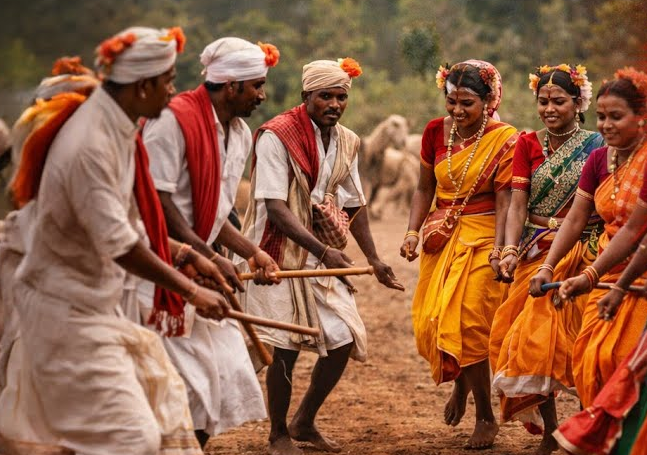
Studentsin Sainik Schools come from varied linguistic, regional, and culturalbackgrounds. Living together exposes them to perspectives differentfrom their own. A child from a coastal Goan/Konkan town may share adormitory with a classmate from Rajasthan, Assam, or Tamil Nadu.Meals, sports teams, study groups, and cultural celebrations becomespaces where differences are understood rather than judged.
Throughsuch interactions, children discover a fundamental truth about India:unity does not mean uniformity.
Anotherimportant aspect is civic awareness. Structured routines teachstudents to respect common spaces, maintain discipline in sharedenvironments, and follow systems designed for collective functioning.These habits may appear simple, yet they form the bedrock of civicresponsibility”respecting rules not out of fear, but out ofunderstanding that they enable society to function smoothly.
Participationin community-oriented activities also plays a role. Whether throughenvironmental initiatives, social outreach, or leadershipresponsibilities within the school ecosystem, students experience theidea that individual effort contributes to a larger purpose.
Physicaltraining and group activities further reinforce this mindset. Teamsports, parades, and collaborative exercises remind students thatsuccess often depends on coordination and trust rather thanindividual brilliance alone.
Importantly,Sainik Schools encourage pride in national heritage while fosteringintellectual openness. Students learn about India’s history,democratic institutions, and the sacrifices made to preserve freedom.At the same time, they are encouraged to think critically andunderstand the responsibilities that come with citizenship.
Forparents, especially those raising children in peaceful and culturallyrich environments like Goa/Konkan, this aspect of education carriesspecial significance. It ensures that children remain rooted in theirlocal identity while developing a broader national outlook.
Ultimately,the aim is not to produce uniform thinkers or unquestioningfollowers. It is to cultivate young individuals who value discipline,respect diversity, and feel a sense of responsibility toward thesociety they inhabit.
In thenext article, we will explore another crucial dimension of personalgrowth:
Why leadership is not merely a title or position”buta habit formed through daily actions and decisions.
(Theauthor is Commandant, Yashwantrao Bhonsale Sainik School and CEO,Bhonsale Knowledge City Sawantwadi, District Sindhudurga,Maharashtra. As a Counselling Psychologist and an Educationist he isdeeply engaged in mentoring students and guiding parents. He ispassionate about character formation, holistic education, andpreparing young minds for the demands of a complex future. You canreach out to him on [email protected])