Why carmakers are moving on
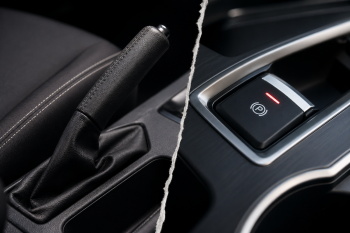
The reasons are practical. Electronic parking brakes free up cabin space, allowing cleaner centre console designs, more storage, cup holders, or wireless charging pads. They also work well with automatic transmissions, which now dominate many markets.
Safety and convenience are major factors too. EPBs can engage automatically when the car is switched off, release when the driver moves away, and integrate with hill-hold assist. This helps prevent roll-back on slopes, especially for new drivers.
For manufacturers, electronic systems also fit neatly into the growing software-led nature of modern cars. As vehicles gain more sensors, driver aids and automation, replacing mechanical parts with electronic controls becomes the natural direction.
What drivers lose
Yet something is lost in the process.
A manual handbrake gives immediate physical feedback. The driver feels the resistance, judges how firmly it is engaged, and uses muscle memory. It is simple, direct and requires no explanation.
Electronic parking brakes, while effective, can feel distant. Pressing a switch does not create the same connection. If the battery fails or the system malfunctions, the solution is often more complicated than adjusting a cable or replacing pads.
Then there is driver involvement. Enthusiasts value mechanical controls because they make driving feel active rather than passive. A lever, clutch pedal and manual gearshift all belong to that world. As one disappears, the car becomes easier to use but less engaging.
A sign of wider change
The death of the manual handbrake is not an isolated trend. It sits alongside the decline of manual gearboxes, naturally aspirated engines and physical buttons. Cars are becoming smoother, smarter and more efficient, but also more standardised.
Many younger buyers may never miss the handbrake lever because they never formed a habit around it. For them, a button is normal. That is how technology changes consumer expectations.
In India too
Even in India, where value and durability matter, electronic parking brakes are moving from premium cars into mid-segment SUVs and sedans. What was once a luxury feature is becoming common equipment.
As prices fall and buyers seek convenience, the manual handbrake’s future looks limited. It may survive in entry-level models and enthusiast cars for some time, but the direction is clear.
The final pull
Most motorists will welcome the cleaner interiors and easier operation of electronic parking brakes. They are practical and modern. But for those who enjoy the tactile side of driving, the disappearing handbrake lever is another reminder that cars are changing from machines you operate to devices you manage.
The manual handbrake may not have been glamorous, but it was honest, mechanical and dependable. Sometimes, progress arrives not with a roar, but with the silent click of a button.