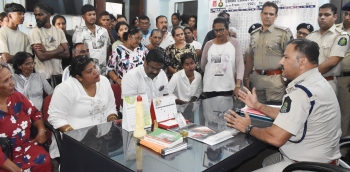
The outbreak of diarrhoea which has been reported in Dabolim, is a stark reminder of the fragile state of urban infrastructure and public health oversight in rapidly developing regions.
Preliminary reports linking the outbreak to a faulty Sewage Treatment Plant (STP) in a housing colony raise serious concerns about negligence, regulatory lapses, and the broader consequences of unchecked urbanization.
Goa is now grappling with the pressures of rapid real estate expansion. Groundwater depletion, coupled with potential contamination from poorly maintained sewage systems, creates a dangerous cocktail that directly impacts public health.
In this case, the warning signs were reportedly present. Local residents had raised complaints about sanitation and water quality, but these appear to have gone unaddressed until the situation escalated into a full-blown health crisis.
The outbreak must be treated as a medical emergency. This incident should serve as a wake-up call for the entire state. Development cannot come at the cost of basic health and safety.
Sustainable urban planning, strict enforcement of environmental and health regulations, and responsive governance are not optional, they are imperative. If lessons are not learned now, such outbreaks may become more frequent and more severe.