MAPUSA
The Covid pandemic may have changed many things in people’s lives, but one silent revolution that continues to grow in Goa is the return to local produce.
From backyard vegetable gardens to roadside stalls selling freshly harvested greens, fruits and traditional produce, more Goans are now consciously choosing “local” over imported or commercially-grown food.
What began as a necessity during the Covid-19 lockdowns has now transformed into a lifestyle choice driven by health concerns, food safety and a desire to support local farmers.
During the lockdown period, when supply chains were disrupted and markets faced uncertainty, many households in Goa rediscovered the value of growing vegetables in their own compounds.
Even today, several families continue the practice, saying it gives them confidence about what they consume.
Growing fears
Adding to this shift are repeated fears over chemically-treated fruits and vegetables entering the market.
Reports of formalin-laced fish, artificially ripened mangoes and bananas, pesticide-heavy vegetables and wax-coated fruits have made consumers more cautious than ever before.
As a result, roadside vendors selling “Goenchi bhaji” and locally-grown fruits have become a familiar sight across highways and village roads.
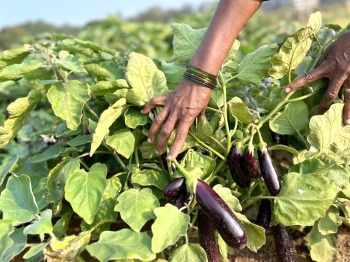
In places like Mapusa, Ponda, Bicholim, Cuncolim and along the coastal belt, small farmers and villagers now directly sell seasonal produce ranging from cucumbers and ladyfinger to jackfruit, kokum, mangoes and leafy vegetables.
Consumers say the difference is visible not just in taste, but also in freshness and trust.
“People have become health conscious after Covid. Earlier, many would blindly buy vegetables from supermarkets, but now they ask where the produce comes from,” said Ralina Fernandes, a homemaker from Tivim.
“If I know it is grown locally without too many chemicals, I don’t mind paying a little extra,” she added.
Demand for local produce rises
Local vendors too acknowledge that demand has increased significantly over the last few years.
“Customers specifically ask whether the vegetables are from Goa. Many buyers avoid polished vegetables because they believe they are loaded with chemicals. Local produce gets sold quickly,” said Vinesh Naik, a roadside vendor from Siolim.
Agriculture experts say this behavioural change is helping revive interest in traditional farming and kitchen gardening, especially among younger families.
“Covid taught people the importance of food security and self-reliance. Even a small backyard garden gives people confidence during uncertain times. There is also a growing awareness about pesticide use and the long-term health impact of chemically-grown food,” said Sanjay Sawant, a dealer in agriculture items.
Revival of Goa’s agrarian roots
Over the years, dependence on imported vegetables from neighbouring States increased due to declining farming activity and changing lifestyles.
Now, there appears to be a gradual reversal.
Several panchayats and local groups have also started promoting organic markets, terrace gardening workshops and seed-sharing initiatives.
Social media groups dedicated to local farming, native seeds and organic produce have gained popularity, connecting consumers directly with growers.
For many Goans, buying local has now become both a health choice and a way of preserving Goa’s agrarian roots.
Whether it is stopping at a roadside stall for freshly-plucked spinach or nurturing a small kitchen garden at home, the message appears clear ” in an age of growing concerns over chemicals and food safety, local produce is no longer seen as old-fashioned, but as a safer and healthier way forward.