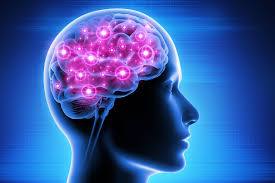
World Brain Health Day, observed every year on July 22, highlights the importance of protecting and improving brain health globally. Initiated in 2014 by the World Federation of Neurology together with the Global Neurological Association, it promotes awareness about preventive strategies and cognitive well-being under the message of "Brain Health for All Ages." The aim is to remind people that maintaining brain health is essential not only for personal wellness but also for productivity, creativity and quality of life.
The brain contains approximately 170 billion cells belonging to more than 3,000 different types. These cells help store memory, process emotions, retrieve information and even generate dreams. Since the brain influences every aspect of life, preserving its function becomes a vital objective.
Hydration is one of the simplest and most effective methods of supporting brain performance. Adequate water intake allows brain cells to function efficiently because even mild dehydration can reduce concentration and cognitive ability. Nutrition also plays a major role in supporting mental wellness. Foods rich in vitamins, minerals and healthy fats provide the fuel required for optimal brain function.
Fruits, vegetables, nuts, cereals, proteins, fish and seeds contribute significantly to maintaining brain health. Omega-3 fatty acids are especially important because they support nerve cell function and improve cognitive performance. Foods such as walnuts, salmon, turmeric, yogurt, avocados, broccoli, cauliflower, blueberries, sweet potatoes, popcorn and dark chocolate have demonstrated benefits. Traditional foods including idlis, dosa, sambar, buttermilk and curd rice also contribute positively. Refined and heavily processed foods should be limited because they adversely affect brain function.
Physical activity remains another important pillar of brain health. Activities such as walking, running, cycling, swimming, dancing, yoga, gardening and gym exercises improve circulation and stimulate the release of substances that enhance neuroplasticity, which is the brain's ability to adapt and form new connections.
Positive thinking and maintaining strong social relationships also strengthen mental well-being. Interaction with family and friends, along with mindfulness practices such as meditation, can help improve emotional stability and resilience. Adequate sleep between seven and nine hours each night allows the brain to repair itself and consolidate memory.
Modern lifestyles often expose people to constant digital distractions, making focus and concentration increasingly difficult. Learning new skills, acquiring a language or practicing hobbies keeps the mind active and promotes lifelong learning. Playing chess, solving puzzles and engaging in problem-solving exercises can improve memory and mental agility. Activities such as reading newspapers, teaching others, listening to music and exploring new ideas also provide valuable stimulation.
One important neurotransmitter involved in learning and memory is acetylcholine. This chemical messenger helps communication between nerve cells and muscles. Reduced levels may contribute to memory loss, concentration problems and muscle weakness, particularly in conditions such as Alzheimer's disease. Foods rich in choline including eggs, nuts, seeds and leafy vegetables support its production.
Vitamin D produced through sunlight exposure also plays an important role in preventing neurological conditions including dementia and depression. The 20-20-20 rule, which recommends looking at an object 20 feet away for 20 seconds every 20 minutes of screen use, can also help reduce strain and maintain focus.
Research demonstrates that the brain retains remarkable adaptability throughout life through neuroplasticity. Creative activities such as painting, music and artistic expression help stimulate these processes and improve mental function.
Long-term happiness also contributes significantly to brain health. Research by Dr Robert Waldinger from Harvard University found that the strongest predictor of health and happiness over time was not wealth or status but the quality of human relationships.
Brain health is not a luxury but a necessity. Through healthy nutrition, physical activity, meaningful relationships, creativity, mindfulness and continuous learning, individuals can preserve mental performance and improve quality of life. The brain remains one of humanity's greatest mysteries, yet what is already known clearly shows that caring for it is among the best investments one can make.
(The writer is a Professor of Pathology, former Head of Department at Goa Medical College, former Dean of Goa University, and the current President of the Asian Society of Cytopathology.)