PANAJI
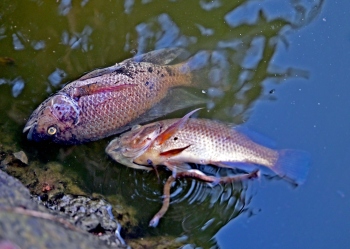
A large number of dead fish were discovered floating on the surface waters of the 'lake' (water body) in the Campal Lakeview Colony on Tuesday morning, sparking fresh concerns over pollution and urban mismanagement, less than two months after the mass fish kill at the Mala Lake in mid-April.
The sight of the floating dead fish created panic among residents, forcing them to lodge complaints with civic authorities.
The lake is partially linked to the St Inez Creek, and preliminary reports point to suspected contamination by toxic urban waste or untreated sewage flow.
Experts, as in the case of the Mala incident, point to the possibility of a sudden drop in dissolved oxygen levels in the lake.
A team of workers from the Corporation of the City of Panaji (CCP) was pressed into action and, armed with boats, began clearing the carcasses to prevent further deterioration of water quality.
But some residents told The Goan that the CCP's cleanup can, at best, be only a temporary measure. “We need accountability and long-term solutions," said one senior citizen from the Lake View Colony.
The incident mirrors the Mala Lake episode, which had prompted intervention by the Bombay High Court at Goa. That episode exposed some illegal sewage outlets and forced authorities to initiate a crackdown.
Environmentalists, meanwhile, have warned that repeated fish kills are a red flag for the city's fragile ecosystem and argue that unchecked sewage discharge and lack of oxygenation measures will choke the capital's water bodies.
The Campal episode has reignited calls for a comprehensive restoration plan, stricter regulation of sewage disposal, real-time water quality monitoring, and revival of natural inflows into the lakes.
With fish choking in two major lakes in quick succession, Panaji faces a hard choice: either act now and restore the water bodies or watch their decay under the weight of continued neglect.