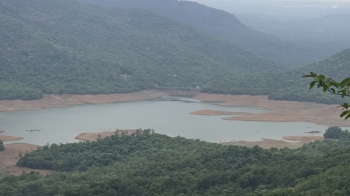
Experts say sharp declines in reservoir levels increase the concentration of organic matter, nutrients, sediment and contaminants, affecting the chemical, biological and physical quality of water. Lower levels also reduce dissolved oxygen, encouraging the growth of algae and cyanobacteria, which can turn water green and cause unpleasant odours.
When water enters the “dead storage” zone, sediment, organic waste, heavy metals, ammonia and microorganisms are more likely to mix with the remaining water, making it unsafe without proper treatment.
Concerns over water quality
Water quality specialists warn that low reservoir levels can increase harmful bacteria such as Total Coliforms, E. coli and Enterococcus, along with cyanobacteria like Microcystis, Anabaena and Oscillatoria. Some of these organisms can release toxins that affect the liver, nervous system, skin and digestive system.
Possible health impacts include diarrhoea, vomiting, stomach cramps, skin irritation, eye infections and fever. In severe cases, liver damage may occur. Children, elderly people and those with weakened immunity are at higher risk.
Calls for solutions
Residents have demanded greater transparency on drinking water quality, urging authorities to conduct regular testing and publish results. They have also sought data on algae and bacterial levels in the reservoir, along with confirmation that supplied water meets Bureau of Indian Standards (BIS) norms.
Experts have highlighted long-term gaps in water management amid rising demand, calling for additional storage infrastructure, alternative sources and stronger conservation measures.
They have urged independent testing of Anjunem water, assessment of sediment build-up, improved infrastructure and closer coordination between the Water Resources Department and the Public Works Department’s Water Supply Division.
Stakeholders stress that transparency, scientific monitoring and timely action are essential to ensure safe drinking water and protect public health across the region.